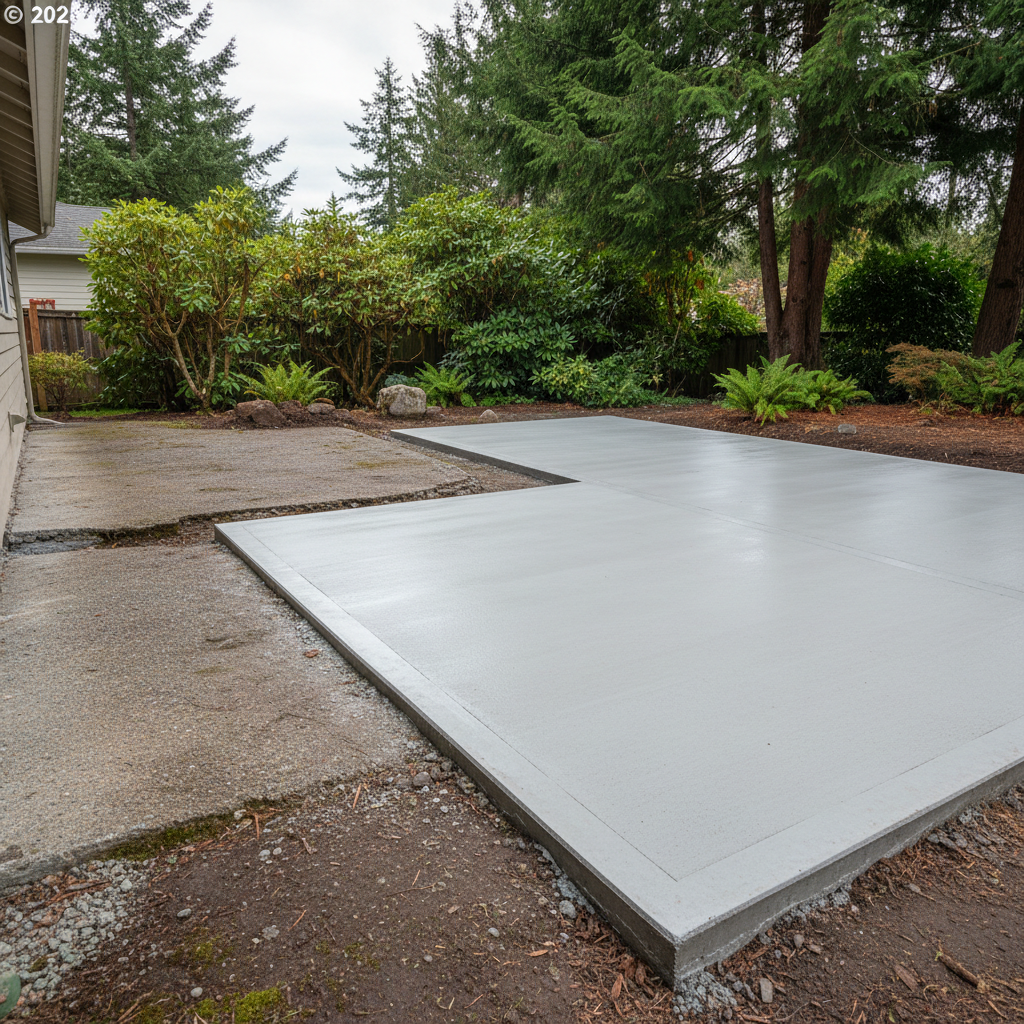
So, you're thinking about a new foundation for your home here in Lynnwood, maybe an addition, or even a whole new build. One of the first big decisions you'll face is whether to go with a slab-on-grade or a crawl space foundation. It's a pretty fundamental choice, and honestly, there's no one-size-fits-all answer. But I can tell you what I've seen work best for folks around here.
Slab-on-Grade Foundations: The Basics
A slab-on-grade foundation is exactly what it sounds like: a thick, reinforced concrete slab poured directly on the ground. It's often thickened at the edges to form an integral footing. Before the pour, we'll prepare the ground, lay down a vapor barrier, and install any necessary plumbing or electrical conduits. Once it's cured, that slab is your finished floor.
Pros of Slab-on-Grade:
- Cost: Generally, slabs are less expensive to build upfront. There's less excavation, no need for extensive perimeter walls or a separate floor framing system. That can save you a good chunk of change right off the bat.
- Durability & Stability: A well-poured slab is incredibly strong and stable. It's less susceptible to pest infestations since there's no open space underneath for critters to hide. It's also very resistant to moisture issues from below if that vapor barrier is installed correctly.
- Energy Efficiency: Slabs can be more energy-efficient, especially if you install radiant floor heating directly into the concrete. There's no unconditioned crawl space to heat or cool, which can lead to lower utility bills.
- Maintenance: Very low maintenance. You don't have to worry about maintaining a separate crawl space or checking for issues under the house.
Cons of Slab-on-Grade:
- Repair Access: This is a big one. If you have a plumbing leak or electrical issue *under* the slab, accessing it means cutting into the concrete. That's disruptive, messy, and costly to repair.
- Moisture Issues (if not done right): If the site prep isn't perfect, or the vapor barrier gets compromised, moisture can wick up through the slab, leading to flooring problems or mold.
- Comfort: Some people find concrete floors less comfortable or colder underfoot, though this can be mitigated with proper flooring choices or radiant heating.
Crawl Space Foundations: The Elevated Approach
A crawl space foundation involves concrete perimeter walls that sit on footings, creating an open space between the ground and the first floor of your home. This space is typically 18 inches to a few feet high, allowing for access. A wood-framed floor system then sits on top of these walls.
Pros of Crawl Space:
- Easy Access for Repairs: This is the major advantage. Plumbing, electrical, and HVAC systems are all accessible from underneath the house. If you have a leak, it's usually much easier and cheaper to fix without tearing up your living room floor.
- Flexibility for Future Changes: Want to add a new electrical outlet or reroute a plumbing line? It's much simpler when you have a crawl space to work in.
- Comfort & Warmth: A properly insulated crawl space, especially an encapsulated one, can make your floors feel warmer and your home more comfortable overall, especially in our damp Lynnwood winters.
- Drainage: For homes on sloped lots, or in areas with high water tables, a crawl space can sometimes offer better protection against water intrusion into the living space.
Cons of Crawl Space:
- Cost: Typically more expensive upfront than a slab. You're building perimeter walls, a separate floor system, and often need more extensive excavation.
- Pest & Moisture Issues: If not properly sealed and maintained, crawl spaces can become havens for pests, rodents, and moisture, leading to mold, mildew, and structural damage. This is a common problem I see in older homes around Lynnwood, especially those built on the clay soils we often encounter.
- Maintenance: Requires more vigilance. You should periodically inspect your crawl space for signs of pests, moisture, or structural issues.
- Energy Efficiency (if not done right): An unconditioned, vented crawl space can be a huge energy drain, making your floors cold and driving up heating costs. Encapsulation helps a lot here.
My Recommendation for Lynnwood Homeowners
Given our climate here in Lynnwood, with its consistent rainfall and often damp conditions, I generally lean towards a crawl space foundation, but with a critical caveat: it needs to be properly encapsulated.
Why? The ease of access for repairs alone is a huge benefit in the long run. We've all seen plumbing issues, and having to jackhammer through a slab to fix a pipe is a nightmare. Plus, with a properly encapsulated crawl space – meaning a heavy-duty vapor barrier on the ground, sealed vents, and often a dehumidifier – you eliminate most of the downsides. You get the comfort, the energy efficiency, and the protection from moisture and pests that a well-built slab offers, but with the added benefit of access.
For Guardian Concrete Solutions, we're always focused on long-term value and preventing headaches down the road. While a slab might save you a bit upfront, the potential for costly, disruptive repairs with an inaccessible plumbing issue under a slab often outweighs those initial savings, especially in a home you plan to live in for years.
Ultimately, the best choice depends on your specific property, budget, and priorities. But if you're building in a typical Lynnwood neighborhood, especially on a lot that might have some drainage challenges, a well-designed and encapsulated crawl space is often the smartest move for peace of mind and long-term durability.