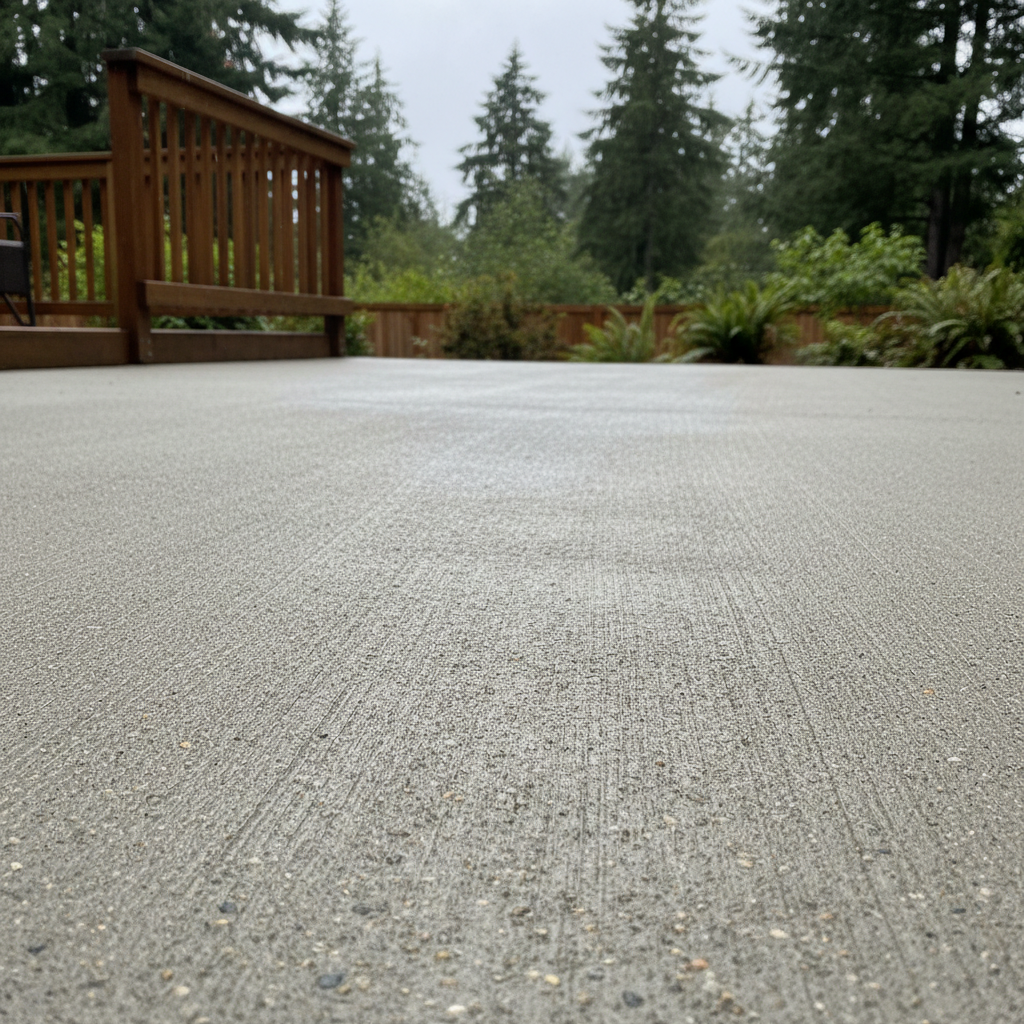
So, you're thinking about pouring some new concrete around your place, huh? Maybe a small pad for your new shed, or a little walkway in the backyard. It's a common thought for homeowners, and I get it – saving a buck feels good. But before you rent that mixer and buy a bunch of bags, let's talk about what's really involved and when it's smart to just pick up the phone.
Before You Even Think About Mixing
First things first, what are you trying to build? A small, non-structural slab, like a 2x2 foot stepping stone, is one thing. A patio, a driveway, or anything that's going to bear significant weight or needs to look perfect? That's a whole different ballgame. You've got to consider the purpose, the size, and the desired finish. If you're aiming for a smooth, level surface that won't crack in a year, well, you're already looking at more than just mixing concrete.
Next, permits. Don't skip this. Depending on the size and type of concrete work, especially if it's connected to your house or impacts drainage, the City of Lynnwood might require a permit. You don't want to pour a beautiful new patio only to find out you have to tear it up because you didn't get the proper approvals. A quick call to the planning department can save you a huge headache.
Then there's the site prep. This is, arguably, the most crucial part of any concrete job. You can pour the best concrete in the world, but if the base isn't right, it's going to fail. We're talking excavation, proper grading for drainage (especially important with all the rain we get around here), compacting the sub-base, and often laying down a gravel base. If you've got that clay soil common in areas like Martha Lake, you know how tricky drainage can be. You need to make sure water moves away from your new concrete, not underneath it, or you'll be dealing with heaving and cracking down the road. This isn't just digging a hole; it's engineering.
During the Pour: Where DIY Gets Tricky
Okay, let's say you've done all the prep work perfectly. Now comes the concrete itself. For a small project, you might mix bags by hand or with a small rental mixer. For anything bigger than a few square feet, though, you're going to need to order a truck. And once that truck arrives, you're on the clock. Concrete waits for no one.
You'll need to pour it, spread it, screed it (level it), float it, and then finish it. Each of these steps requires specific tools and a good understanding of how concrete behaves. It's not like painting a wall; you can't just take a break and come back later. Concrete starts to set pretty quickly, especially on a warm, dry Lynnwood day. If you don't have enough hands, or if you don't know the techniques, you can end up with a lumpy, uneven, or poorly finished slab.
Getting the right slump (consistency) is also key. Too wet, and it's weak. Too dry, and it's hard to work with. There's a sweet spot, and experienced pros know it by feel. And don't forget about expansion joints. These aren't optional; they're vital for preventing random cracking due to temperature changes. You've got to place them correctly and at the right intervals.
After the Pour: Curing and Care
Once the concrete is poured and finished, your job isn't over. Proper curing is essential for strength and durability. This usually means keeping the concrete moist for several days, often by covering it with plastic, wet burlap, or using a curing compound. If it dries out too fast, it won't reach its full strength and will be more prone to cracking. We see this all the time when folks try to rush things.
For a small, non-critical project, like a little stepping stone, you can probably manage the entire process yourself. You'll learn a lot, and if it's not perfect, it's not the end of the world. But for anything that's going to be a permanent part of your home, something you'll walk on every day or park your car on, that's where you really need to weigh the risks.
The cost of fixing a poorly poured concrete slab almost always outweighs the money you thought you saved by doing it yourself. You're not just paying for the concrete; you're paying for the expertise, the specialized tools, the proper site preparation, and the confidence that comes with a job done right. At Guardian Concrete Solutions, we've seen enough DIY attempts go sideways to know that some jobs are just better left to the folks who do it every day. Your home is a big investment; make sure your concrete is too.