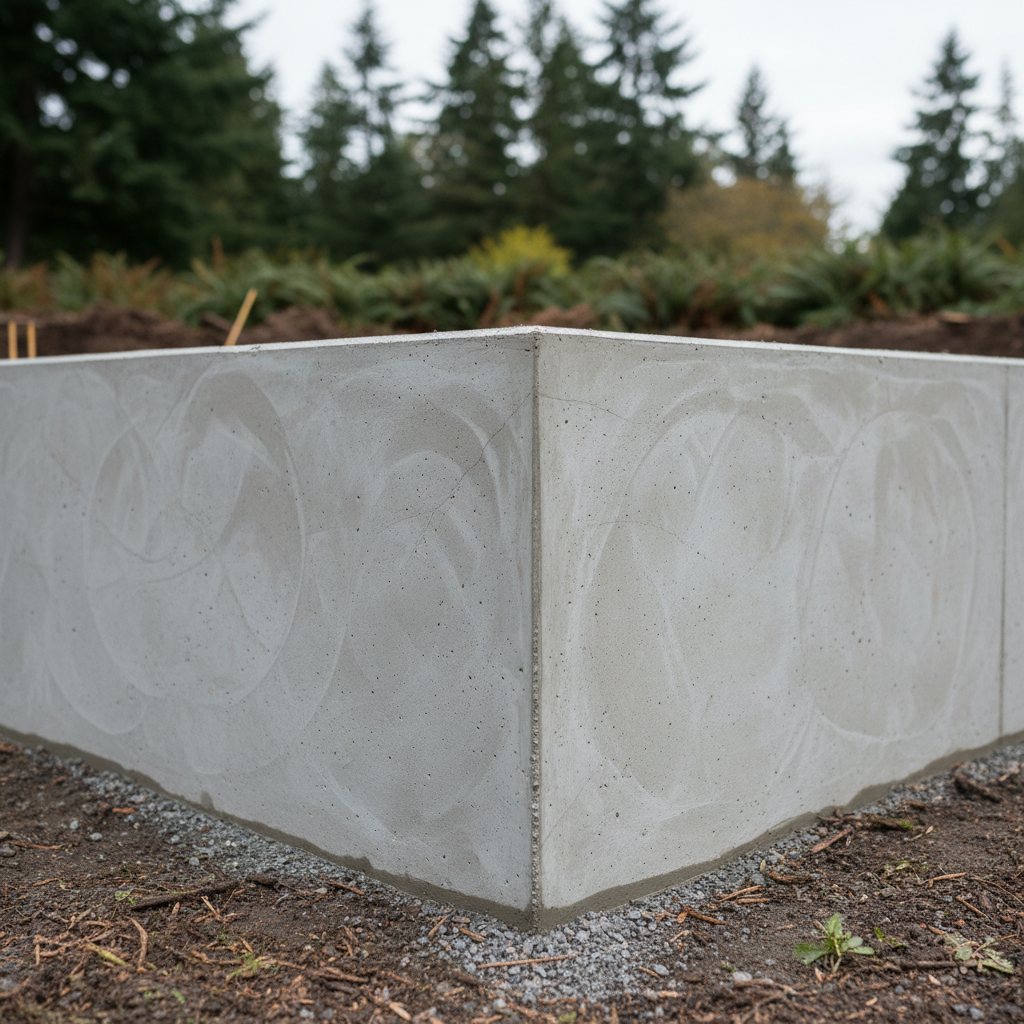
So, you're looking at a concrete foundation project, huh? Whether it's for a new addition, a detached garage, or maybe you're just trying to understand what's under your existing house, it's a big deal. Foundations are the backbone of any structure, and getting them right is crucial. As a local contractor, I've seen my share of foundation work around Lynnwood, from the older homes near Scriber Lake to the newer developments up by Martha Lake. Let's talk about what you, as a homeowner, really need to know.
Before You Start: Planning Your Foundation Project
First off, a new foundation isn't a weekend DIY project, not unless you're pouring a small shed pad. We're talking about something that needs to support significant weight for decades. There's a lot that goes into it before any concrete even shows up.
- Permits are a Must: You absolutely need to check with the City of Lynnwood's planning department. They'll have specific requirements based on your property, zoning, and the size/type of structure. Don't skip this. Building without permits can lead to huge headaches and costly tear-downs later.
- Engineering & Design: For anything beyond a simple slab, you'll likely need a structural engineer. They'll design the foundation to handle the loads of your specific structure, considering things like soil conditions, seismic activity (we're in the Pacific Northwest, after all!), and local building codes. This isn't something you can eyeball.
- Soil Matters: This is huge, especially around here. Lynnwood has a mix of soil types, from sandy loams to some areas with more clay or even peat. A geotechnical report might be required, especially for larger projects or if there are any doubts about the soil's bearing capacity. Poor soil can lead to settlement, cracking, and major structural issues down the road. You can't just pour concrete on unstable ground and expect it to hold.
- Drainage is Key: Water is the enemy of foundations. You need to plan for proper drainage around your foundation from day one. This means grading the land away from the structure, considering French drains, and making sure downspouts direct water far away. Standing water will erode soil, create hydrostatic pressure, and can lead to foundation problems.
What can you do yourself in this stage? You can definitely handle the permit research and initial calls to the city. You can also do some basic site clearing if it's just brush or small debris. But for the engineering, soil testing, and complex design, you're calling in the pros. No question.
During the Pour: What to Expect
Once you've got your plans and permits, it's time for the actual work. This is where the rubber meets the road, or rather, the concrete meets the rebar.
- Excavation: The site needs to be dug out to the correct depth, which is determined by your engineer and local frost line requirements. Around Lynnwood, we're typically looking at a minimum of 18-24 inches deep for footings to get below that frost line. This prevents frost heave, which is when the ground freezes, expands, and pushes up your foundation.
- Forms & Rebar: Wood or metal forms are built to shape the concrete. Inside these forms, rebar (reinforcing steel bars) is laid out according to the engineer's design. This rebar gives the concrete its tensile strength, preventing it from cracking under stress. Think of it as the skeleton of your foundation.
- The Pour Itself: This is a coordinated effort. Concrete trucks deliver the mix, and it's poured into the forms. Vibrators are used to remove air bubbles and ensure the concrete fills every space. This isn't a slow process; once the truck arrives, you've got a limited window before the concrete starts to set.
- Curing: After the pour, the concrete needs to cure properly. This isn't just about drying; it's a chemical process where the concrete gains strength. It usually involves keeping the concrete moist for several days, sometimes even weeks, especially in our often damp Lynnwood climate. Covering it with plastic or applying a curing compound helps. If it dries too fast, it'll be weaker and more prone to cracking.
Can you DIY the pour? For a small, non-structural pad, maybe. But for a house foundation, absolutely not. The excavation, formwork, rebar placement, and the pour itself require specialized equipment, knowledge, and a crew. This is 100% pro territory. You're hiring a concrete contractor like us at Guardian Concrete Solutions for this part.
After the Concrete Sets: Ongoing Care and What to Watch For
Your foundation is in, it's cured, and the structure is going up. But your job isn't entirely done. Foundations need some attention over the years.
- Maintain Drainage: I can't stress this enough. Keep your gutters clean, make sure downspouts extend far from the foundation, and ensure the ground slopes away from your house. If you see water pooling near your foundation, fix it immediately.
- Watch for Cracks: It's normal for concrete to get some hairline cracks. They're usually not a big deal. But if you see cracks that are wider than a credit card, stair-stepping cracks in block foundations, or cracks that are growing, you need to pay attention. These could indicate settlement or other structural issues.
- Monitor for Settling: Look for signs like doors and windows sticking, uneven floors, or gaps between walls and ceilings. These can all be indicators of foundation settlement.
- Landscaping: Be mindful of trees and large shrubs planted too close to your foundation. Their roots can grow under the slab, absorb moisture, and cause differential settlement. Keep them at a safe distance.
What can you do yourself after the fact? Regular visual inspections are huge. Keep an eye on your drainage. If you see minor cracks, you can often seal them yourself with a good quality concrete crack sealant. But if you suspect serious issues – significant cracking, settlement, or water intrusion – that's when you call in a foundation repair specialist. Don't wait. The longer you put it off, the more expensive and complex the fix usually gets.
A solid foundation is an investment in your home's future. Do your homework, get the right pros involved for the heavy lifting, and keep an eye on things over the years. You'll be glad you did.