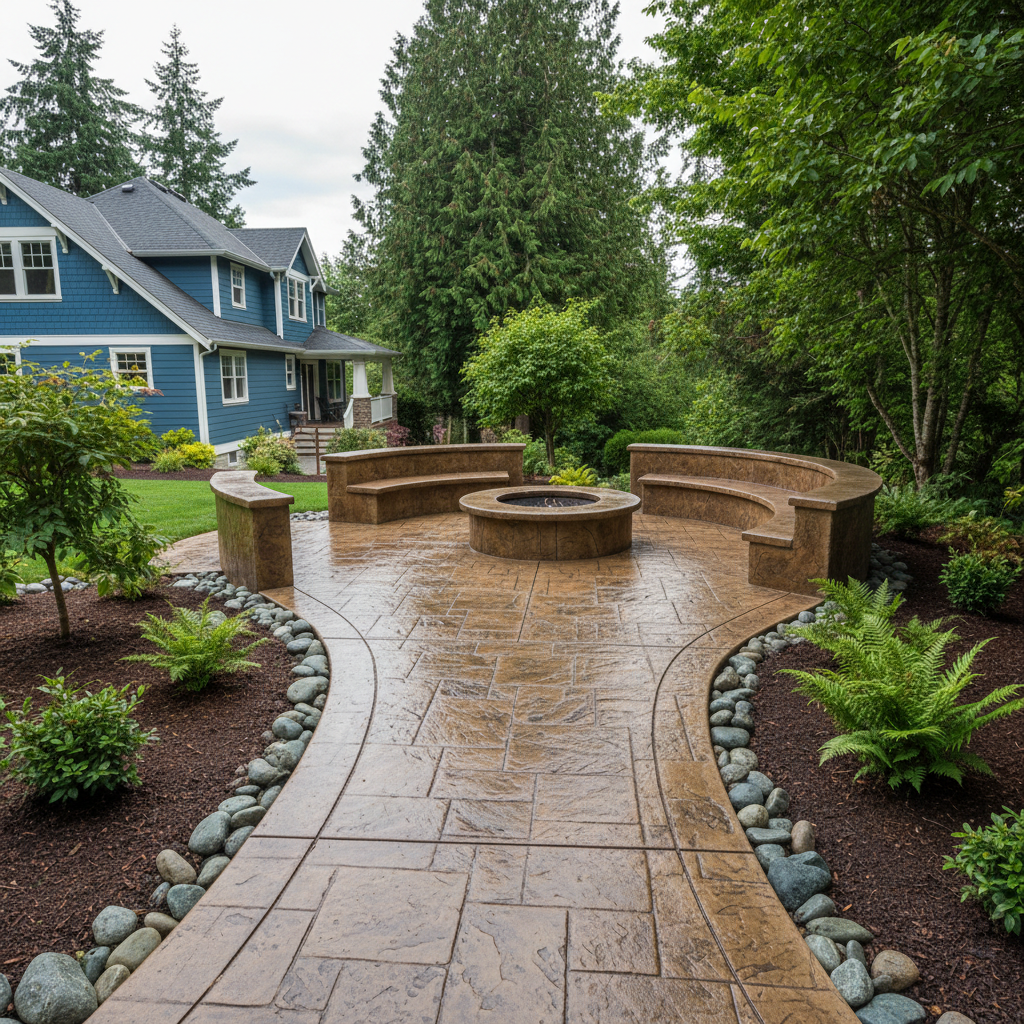
So, you're thinking about stamped concrete, huh? It's a great choice for adding some real curb appeal and functionality to your home, whether it's a new patio, a walkway, or even a driveway. I've seen some absolutely stunning projects around Lynnwood, from the newer developments near Alderwood Mall to the older, established neighborhoods with big yards. But I've also seen my fair share of headaches, mostly because folks didn't know what to look out for.
Mistake #1: Focusing Only on the Lowest Bid
This is probably the biggest one, and it's a classic. Everyone wants to save a buck, I get it. But when it comes to concrete, especially stamped concrete, going with the cheapest guy almost always bites you in the backside. What usually happens? The lowest bid often means corners are being cut. Maybe they're using cheaper materials, not preparing the sub-base properly, or rushing the job. You might save a few hundred bucks upfront, but then you're looking at cracks, fading, or an uneven surface a year or two down the road. And fixing that? That's way more expensive than doing it right the first time.
Think about it: a good stamped concrete job involves skill, specialized tools, and quality materials. If a price seems too good to be true, it probably is. Ask for a detailed breakdown of what's included. What kind of sealer are they using? How thick will the slab be? What's their process for preparing the ground? Don't be afraid to ask these questions.
Mistake #2: Not Checking References or Past Work
You wouldn't hire someone to fix your car without knowing if they're any good, right? Same goes for concrete. A reputable contractor will have a portfolio of their work, and they should be happy to provide references. I'm not talking about just a few pretty pictures on a website; I mean actual addresses where you can go and look at their work yourself. See how it's held up over time. Talk to the homeowners. Ask them about the contractor's professionalism, their communication, and if they stuck to the timeline.
Also, make sure they're licensed and insured. This isn't just a formality; it protects you if something goes wrong. If a contractor isn't insured and one of their guys gets hurt on your property, guess who could be liable? You could. Don't take that risk.
Mistake #3: Picking the Wrong Pattern or Color for Your Home
Stamped concrete offers a ton of design flexibility, which is awesome. You can mimic natural stone, brick, wood, you name it. But sometimes, people get a little carried away or don't think about the bigger picture. I've seen folks pick a really bold, busy pattern that just clashes with their home's style, or a color that looks great in a small sample but overwhelms their whole yard once it's poured.
Consider your home's existing architecture and color palette. If you've got a classic craftsman home, maybe a subtle cobblestone or flagstone pattern in an earthy tone would look better than a super modern, geometric design. Think about the long term too. Trends come and go, but your concrete is going to be there for a while. A good contractor, like us at Guardian Concrete Solutions, will help you visualize options and give you honest advice about what will look best and last.
Mistake #4: Ignoring Proper Drainage and Site Preparation
This one's huge, especially with the amount of rain we get around here in Lynnwood. You know how our clay soil can hold water? If your contractor doesn't properly prepare the sub-base and ensure good drainage, you're asking for trouble. Water pooling on your new patio isn't just annoying; it can lead to erosion, freeze-thaw damage in the winter, and eventually, cracking. A good sub-base, usually compacted gravel, is critical for stability and drainage. And slopes? They need to be carefully planned to direct water away from your house, not towards it.
Make sure your contractor talks about how they'll handle drainage. Will they grade the area? Install a drain? Don't let them just pour concrete on unprepared ground. It's a recipe for disaster.
Mistake #5: Neglecting Maintenance (or Not Understanding It)
Stamped concrete isn't maintenance-free, and anyone who tells you it is isn't being straight with you. It's low maintenance, sure, but it still needs some love. The biggest thing is sealing. A good sealer protects the concrete from stains, UV damage (which can fade colors), and general wear and tear. Most stamped concrete needs to be resealed every 2-5 years, depending on traffic and exposure to the elements.
If you don't reseal, your beautiful stamped concrete will start to look dull, the colors will fade, and it'll be more susceptible to damage. Ask your contractor about the specific maintenance requirements for your project. What kind of sealer did they use? How often should you reseal? What kind of cleaning products are safe to use? Knowing this upfront will help you keep your investment looking great for decades.
Doing your homework and asking the right questions can save you a lot of grief and ensure you end up with a stamped concrete project you'll love for years. Don't rush into it, and don't be afraid to be picky. It's your home, after all.