Is That Concrete Crack a DIY Job or a Pro Problem?
You've got a crack in your driveway, a spalled patio, or maybe a chunk missing from your garage floor. Your first thought might be, “Can I just patch this up myself?” It's a fair question, and honestly, sometimes you absolutely can. But a lot of times, what looks like a simple fix is actually a symptom of a bigger issue, and that's when you need to know when to put down the trowel and pick up the phone.
I've seen a lot of concrete around Lynnwood, from the older homes in the Lake Serene area to the newer developments near Alderwood Mall. The soil conditions here, especially with our wet winters, can really put concrete through its paces. That's why understanding the 'why' behind the damage is just as important as knowing the 'how' to fix it.
What You Can Probably Handle Yourself
Let's be real, you're a homeowner, not a concrete expert, and that's okay. There are definitely some concrete repairs that are totally within your wheelhouse. These are usually cosmetic issues or very minor structural problems that haven't gotten out of hand.
- Hairline Cracks: If you've got cracks that are super thin – we're talking less than 1/8th of an inch wide – and they're not getting wider or moving, you can often seal these yourself. A good quality concrete crack filler or sealant from your local hardware store will do the trick. Clean out the crack thoroughly, apply the product, and smooth it out. It's more about preventing water intrusion than structural repair here.
- Minor Spalling or Surface Pitting: Spalling is when the surface of the concrete starts flaking or popping off. Pitting is similar, but usually smaller holes. If it's just a small area and not too deep, you can use a concrete resurfacer product. You'll need to clean the area really well, chip away any loose bits, prime it if the product recommends, and then apply the resurfacer. Follow the instructions on the bag to the letter; mixing it right is key.
- Small Chipped Edges: A small chip on the edge of a step or slab, maybe from dropping something heavy, can often be patched. You'll need a concrete patching compound. Again, clean the area, make sure it's damp (but not wet), and apply the patch. Trowel it smooth and let it cure.
The key to DIY success with these smaller jobs is preparation. Clean, clean, clean. Remove all loose debris, dirt, and old material. If you don't, your patch won't stick, and you'll be doing it again next year.
When It's Time to Call Guardian Concrete Solutions
Now, for the stuff you probably shouldn't mess with. These are the problems that indicate a deeper issue, require specialized tools, or could become dangerous if not fixed correctly.
- Wide or Deep Cracks: If a crack is wider than a quarter-inch, or if you can see deep into the slab, that's usually a sign of significant movement or settlement. Patching these just covers up the problem; it doesn't fix the underlying cause. You need someone to assess why it's cracking that much.
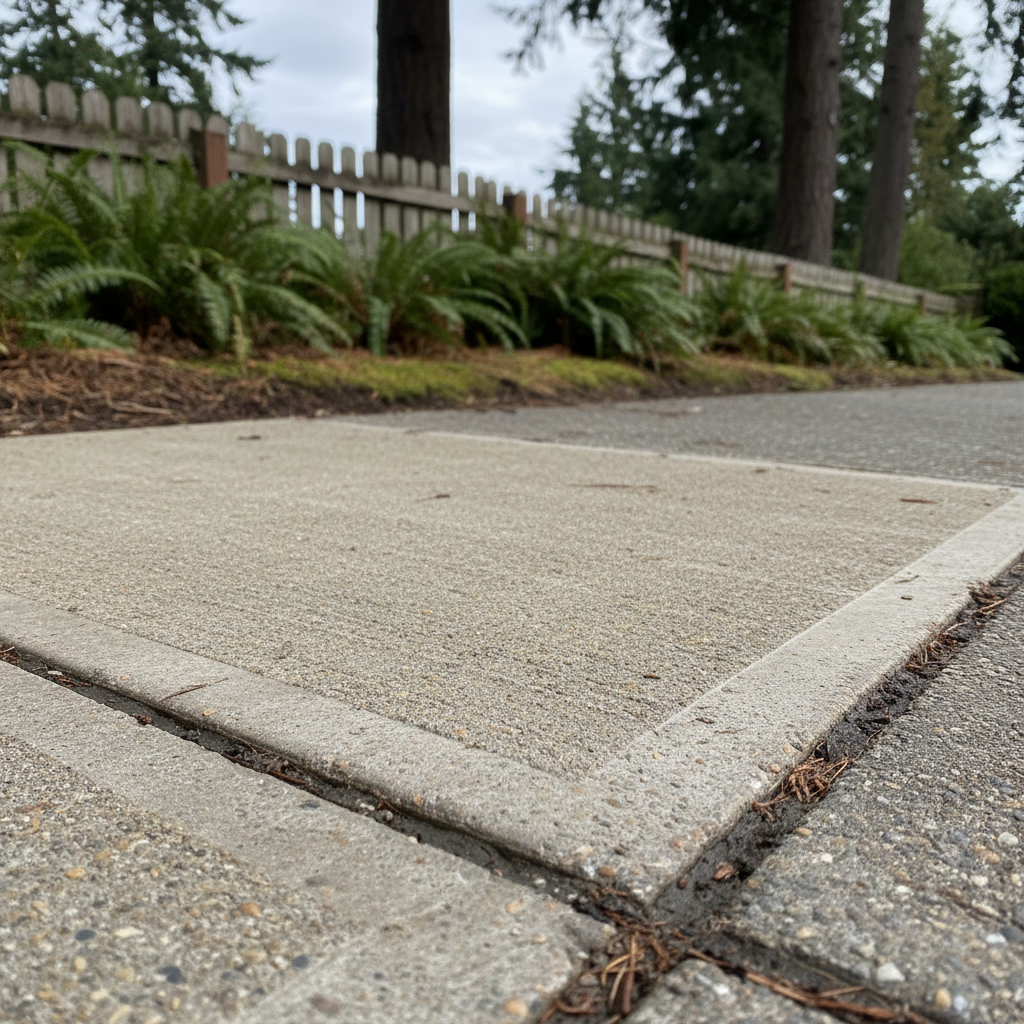
- Uneven Slabs or Trip Hazards: When one section of your sidewalk or driveway has sunk or lifted, creating a trip hazard, that's not just a cosmetic issue. That's a liability, and it's also a sign that the ground underneath isn't stable. We call this 'slab settlement.' We've got methods like concrete lifting (polyurethane foam injection) that can raise those slabs back to level without tearing everything out. Trying to DIY this is not only impractical but potentially dangerous.
- Extensive Spalling or Deterioration: If large areas of your concrete are flaking, crumbling, or showing significant aggregate, the concrete itself might be failing. This isn't just a surface issue; it's a structural one. A simple resurfacer won't hold up, and you might need a full replacement or a more advanced repair technique.
- Cracks in Your Foundation: This is a big one. Any cracks in your home's foundation walls, especially horizontal cracks or cracks that are wider at the top than the bottom, are serious. Do NOT try to fix these yourself with a tube of caulk. These can indicate structural issues with your home, and you need a professional assessment immediately.
- Repeated Cracking After DIY Fixes: If you've patched a crack, and it just keeps coming back in the same spot, that's a clear sign that the root cause hasn't been addressed. The ground is still moving, or there's an ongoing issue that a surface patch can't solve.
Before, During, and After a Concrete Repair Project
Whether you're doing it yourself or calling us, a little planning goes a long way.
Before the Project:
Assess the Damage: Really look at it. Is it getting worse? Is it wide? Is it uneven? Take pictures. This helps you decide if it's DIY or pro-level. If you're calling us, those pictures are a great starting point.
Research (for DIY): If you're going for it, read up on the specific product you'll use. Watch some videos. Understand the curing times and temperature requirements. Trying to patch concrete in the middle of a Lynnwood downpour is a recipe for disaster.
Get Quotes (for Pro): If you're calling in the cavalry, get a few quotes. Make sure they clearly explain the problem and their proposed solution. Don't just go for the cheapest option; look for value and a clear understanding of the work.
During the Project:
Safety First: Always wear gloves, eye protection, and a mask if you're mixing dusty materials. Concrete dust isn't good for your lungs.
Follow Instructions (DIY): I can't stress this enough. Concrete mixes and patching compounds are engineered products. Deviate from the instructions, and you're asking for trouble.
Ask Questions (Pro): If we're on the job, don't hesitate to ask what we're doing and why. We're happy to explain the process. A good contractor wants you to understand the work.
After the Project:
Curing is Crucial: Whether it's a small patch or a big new slab, concrete needs to cure properly. This usually means keeping it damp for a few days to a week, or as specified by the product/contractor. Don't drive on it or put heavy loads on it too soon.
Monitor: Keep an eye on the repaired area. For DIY fixes, if the problem reappears, it's time to call in a professional. For pro jobs, if you notice anything that doesn't seem right, contact your contractor right away.
Look, concrete is tough, but it's not indestructible. Knowing when to tackle a repair yourself and when to bring in someone like Guardian Concrete Solutions can save you a lot of headaches, and ultimately, a lot of money down the road. Don't let a small crack turn into a big problem because you tried to superglue it back together. Give us a shout if you're not sure, we're always happy to take a look.